If you've spent any time searching for free trial online course platforms, you've probably noticed the pattern: the word "free" is doing a lot of work on most of these homepages, and it doesn't always mean what you'd hope. Some platforms give you full, permanent access to thousands of courses at no cost, forever. Others give you a short trial window, then quietly start billing the card you had to enter on day one. A few dangle a "free certificate" that turns out to be a $49 upgrade once you finish the coursework. None of that makes online learning a bad deal — it just means the fine print matters more than the marketing copy.
What "free" actually means across these platforms
Broadly, free trial online course platforms fall into three buckets. The first is the permanently free audit track — platforms like edX and OpenLearn let you work through full courses with no time limit and no payment method on file, though the graded assignments or verified certificate usually sit behind a paywall. The second is the time-boxed free trial, the model used by Coursera Plus, Skillshare, and LinkedIn Learning, where you get full access, including certificates in some cases, for a set number of days before the subscription price kicks in automatically. The third is the freemium catalog, where a portion of the course library — often the older or shorter courses — stays free indefinitely, while newer or specialized content sits behind a subscription.
None of these models is inherently better than the others. A time-boxed trial can be a genuinely great deal if you go in with a plan and finish before the clock runs out. A permanently free audit track is lower pressure but often skips the credential you actually wanted. Knowing which bucket a platform falls into before you sign up saves you from the two most common frustrations: a surprise charge, or finishing a course only to discover the certificate isn't free after all.
What to check before you hand over any information
Before creating an account on any free trial online learning platform, it's worth running through a short mental checklist. Does signup require a credit card, or just an email address? If a card is required, is there a visible cancellation flow, or does it route you through a support ticket? Is the certificate included in the free period, or flagged as a paid add-on once you finish? And does the trial length match how much time you realistically have — a 7-day trial for a 40-hour course is a setup for a rushed, half-finished credential.
It's also worth checking whether the platform lists its pricing plainly on the signup page, or buries it a few clicks deep. Platforms confident in their free offering tend to state the terms upfront: "free for 7 days, then $59/month, cancel anytime." Platforms that hide the terms until after signup are usually the ones worth double-checking before you commit any payment details.
The well-known players, in brief
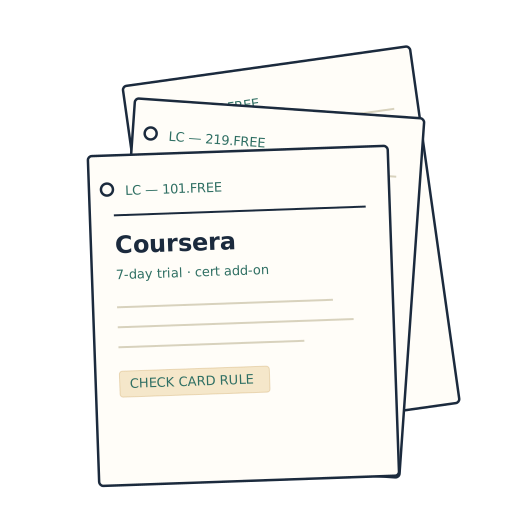
Among the platforms people ask about most: Coursera offers free audits of many courses with paid, trial-gated certificates; edX keeps course content free indefinitely with an optional paid verified track; Skillshare and LinkedIn Learning run time-boxed free trials aimed at their full subscription libraries; Udemy has a large number of individually free courses mixed in with paid ones; and Alison and FutureLearn lean toward free completion certificates with paid upgrades for verified or accredited versions. Pricing and trial terms shift often enough that it's worth confirming current details directly on each platform before you sign up — this guide focuses on the patterns that tend to hold steady, not the exact dollar figures, which we'd rather not get wrong for you.
Getting real value out of a short trial window
If you do go the time-boxed trial route, treat it like a sprint, not a browsing session. Pick one course before the trial starts, not after. Block time on your calendar the way you would for a class you paid for — because in a sense, you did pay, just with days instead of dollars. And if a certificate is part of the deal, download the PDF the moment you finish; some platforms revoke access to your certificate the day the trial ends, even if you completed the coursework in time.
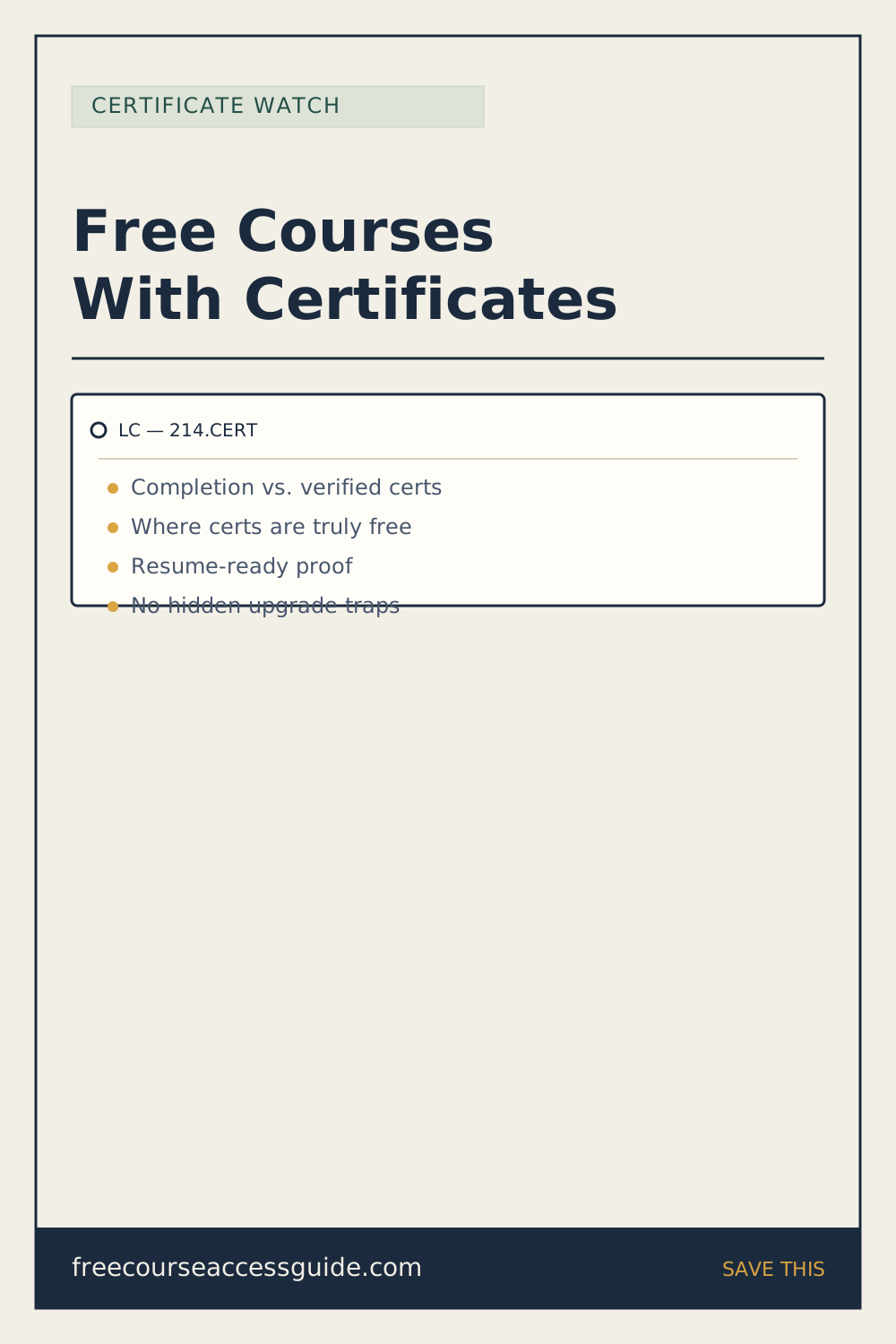
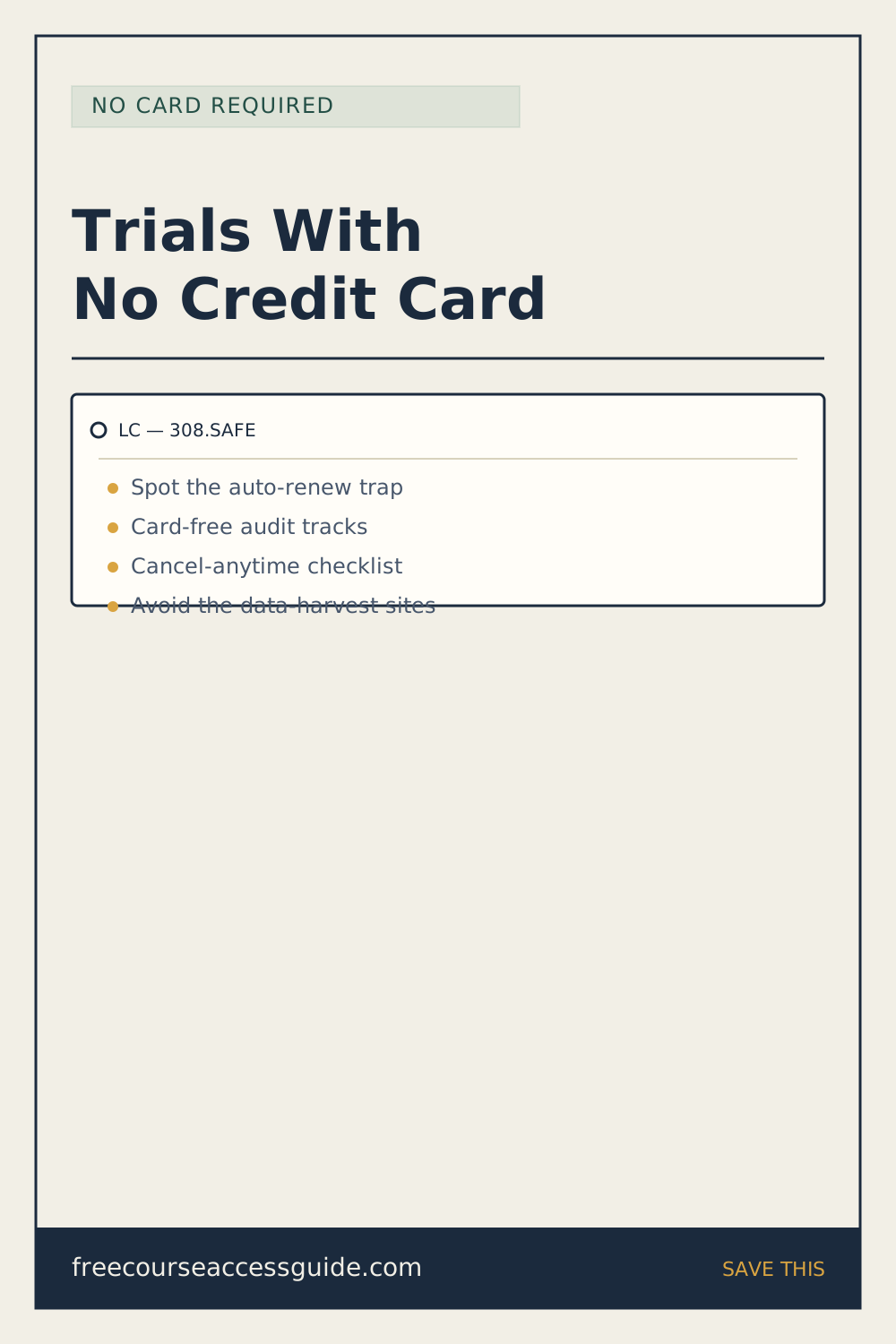
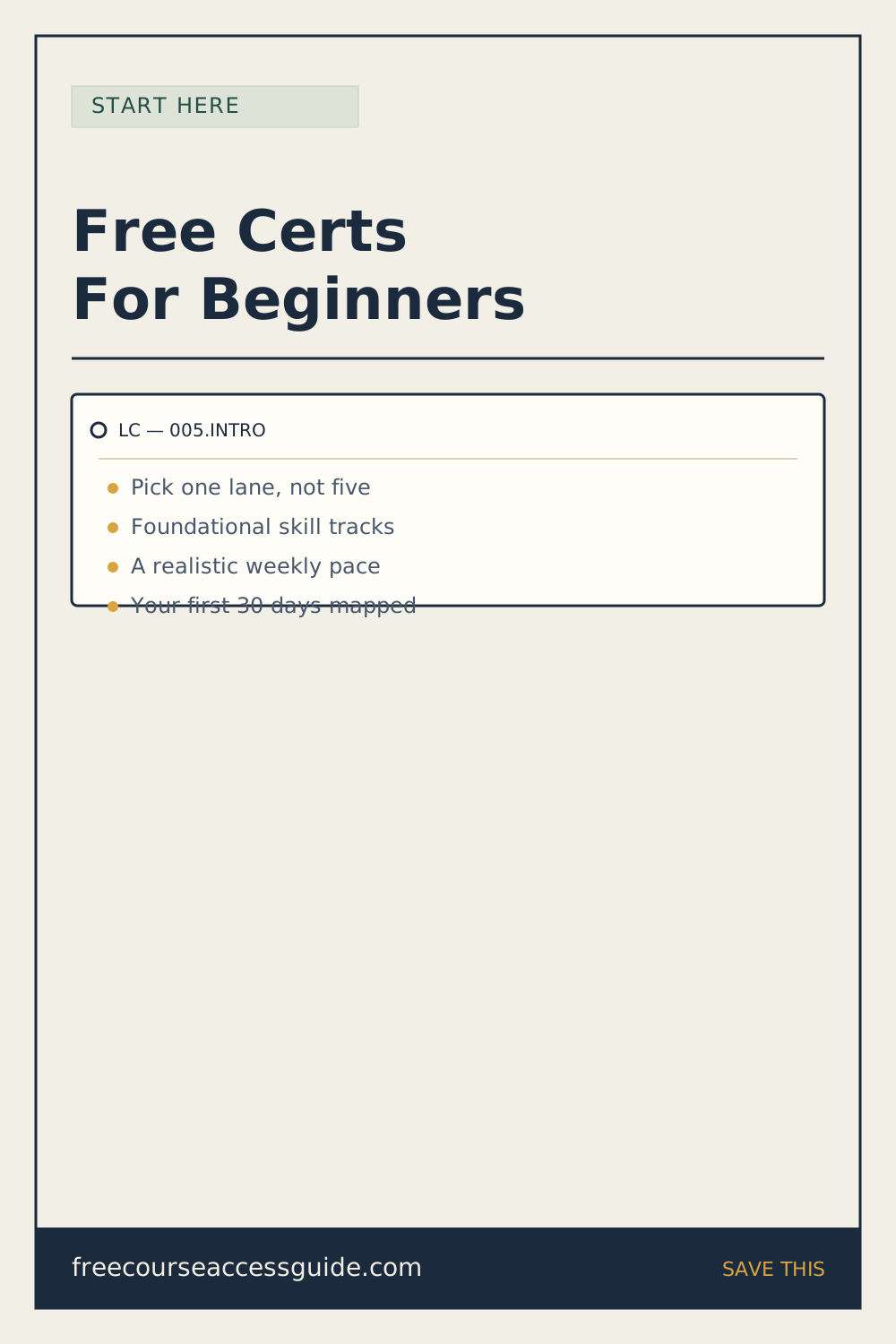
The three guides below break this down further — best platforms for real certificates, which ones skip the credit card entirely, and how to start if you're brand new to all of this. Or skip ahead and grab the one-page access guide that puts the whole comparison in your pocket.